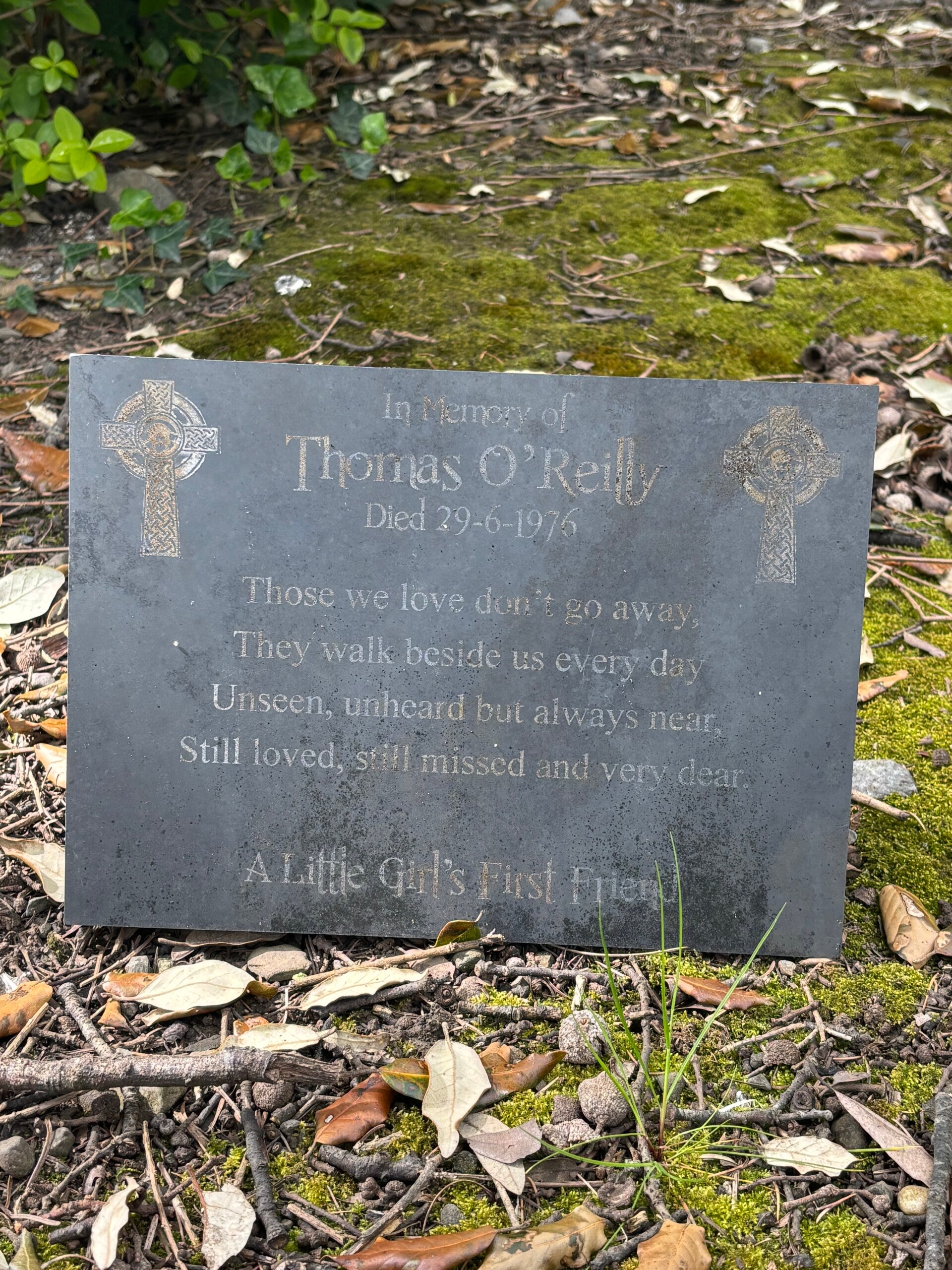
Positionality
Given the sensitive nature of these histories, it is important for the artist to discuss their position and the choices made to preserve the dignity of those who spent time in these hospitals.
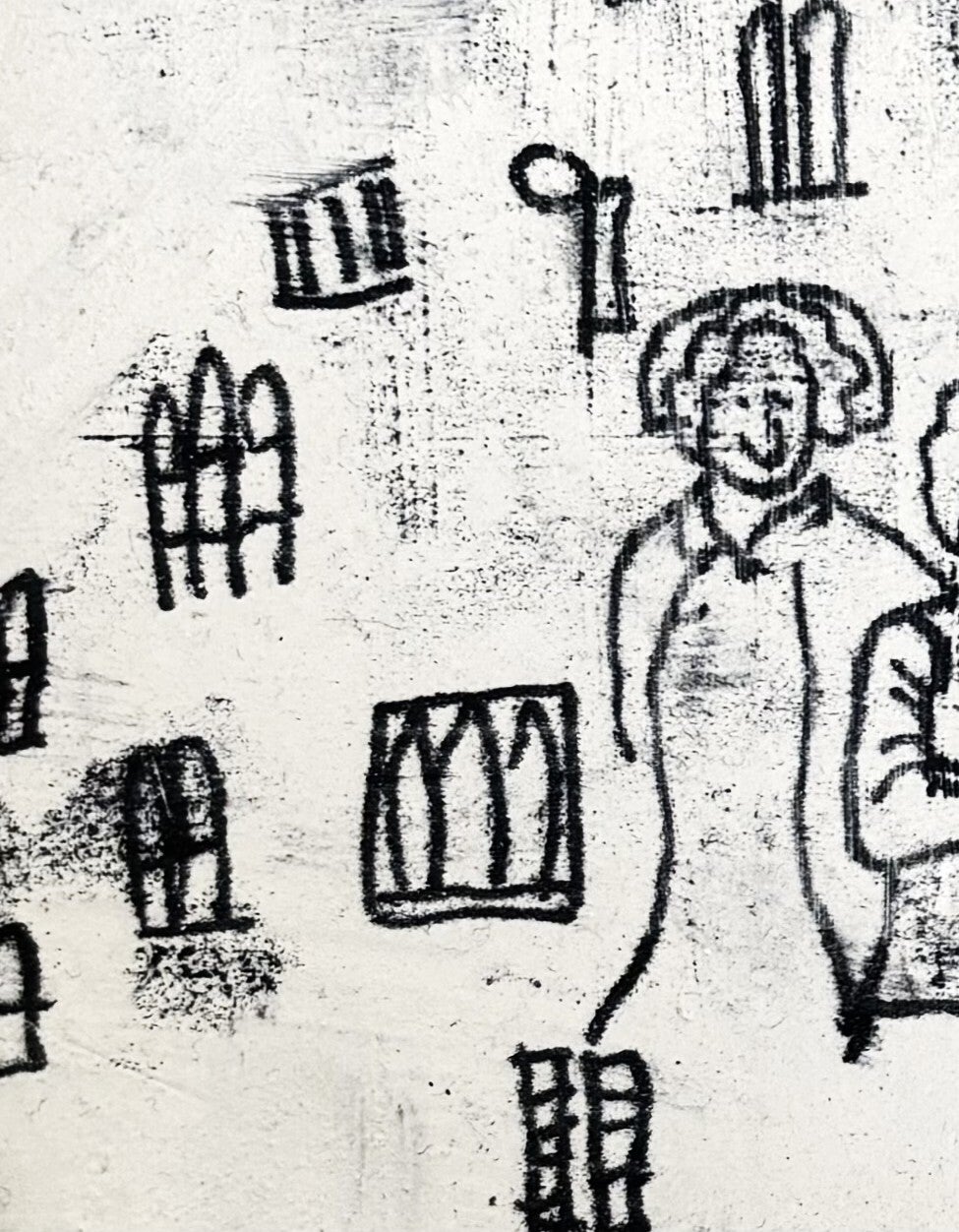
Familial Connection
This project started in the Summer of 2025, when I started asking my family more questions about 2 of my relatives who were in the psychiatric care system for most of their lives. I conducted interviews with several family members, recording and transcribing these personal histories.
I have known about these family members for years, and yet did not question what happened to them until last year. It all felt oddly and upsettingly normal until then, reminding me how the attitudes and the everyday of the past still worms its way into contemporary mindsets.
These histories formed the base for my practice, researching these individuals as examples of an all too common experience.
I would love if this project inspired someone to start asking questions about their own family history. The human experience in these hospitals needs to be heard. The testimonial is hugely important in emphasising the living memory of these histories.
The Patients Voice
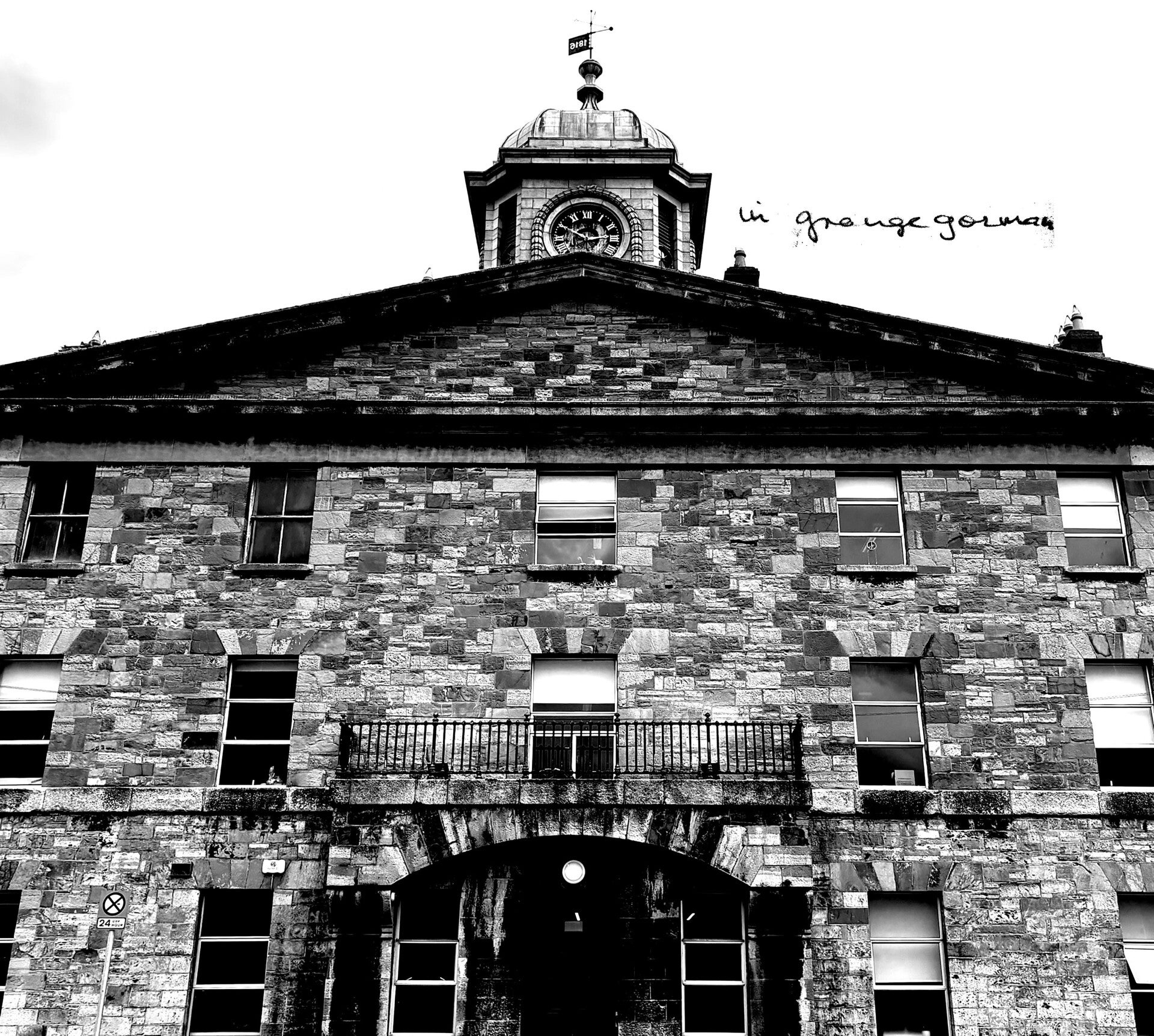
Intentionally, there are no figures visible in any of my public work. This decision has been carefully considered. This project is firmly based in a historic, researched context, with little room left for speculation. Given this, I would never want to make a spectacle of a persons suffering. The aim with the ceramic forms is to capture the environment and culture patients were subjected to for a time.
If you wish to read about the patient's voice, there are several books in the non-fiction section of my reading list.
Accuracy
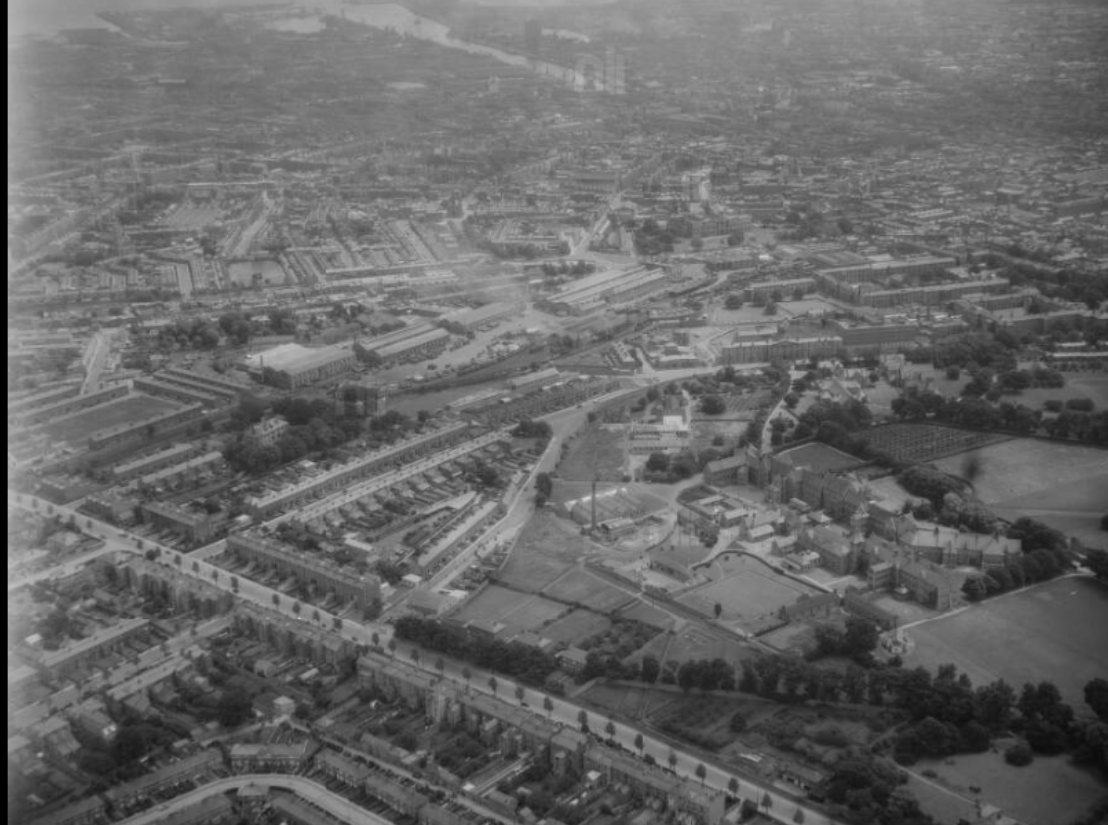
I take the accuracy in my portrayal of these histories very seriously. As a part of my studies I have visited the National Archives, been in contact with 2 authors who wrote on these histories, read extensively and conducted interviews with family members and a social worker who worked in some psychiatric care facilites in Dublin including Grangegorman. Any design decision made in my ceramic work is justified by these studies.
A Communal Grave
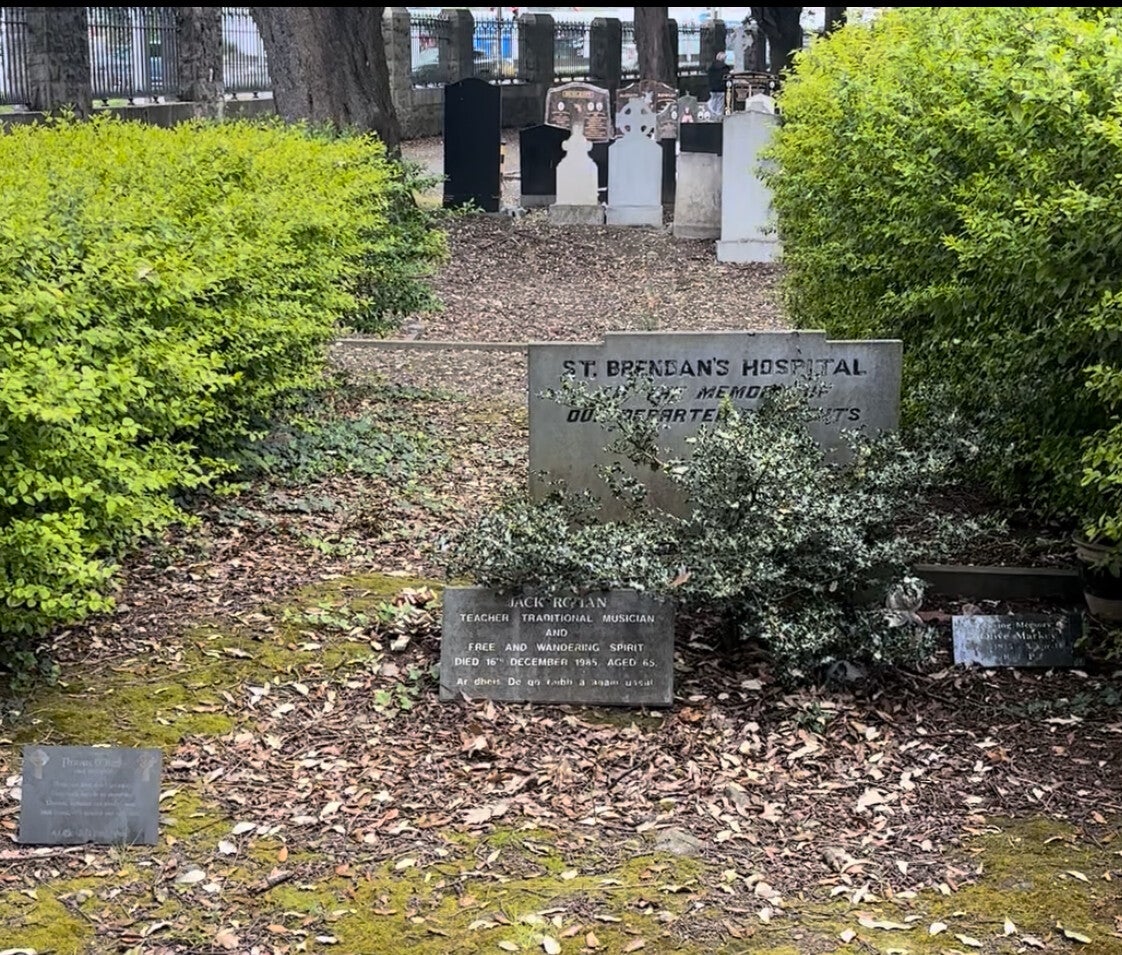
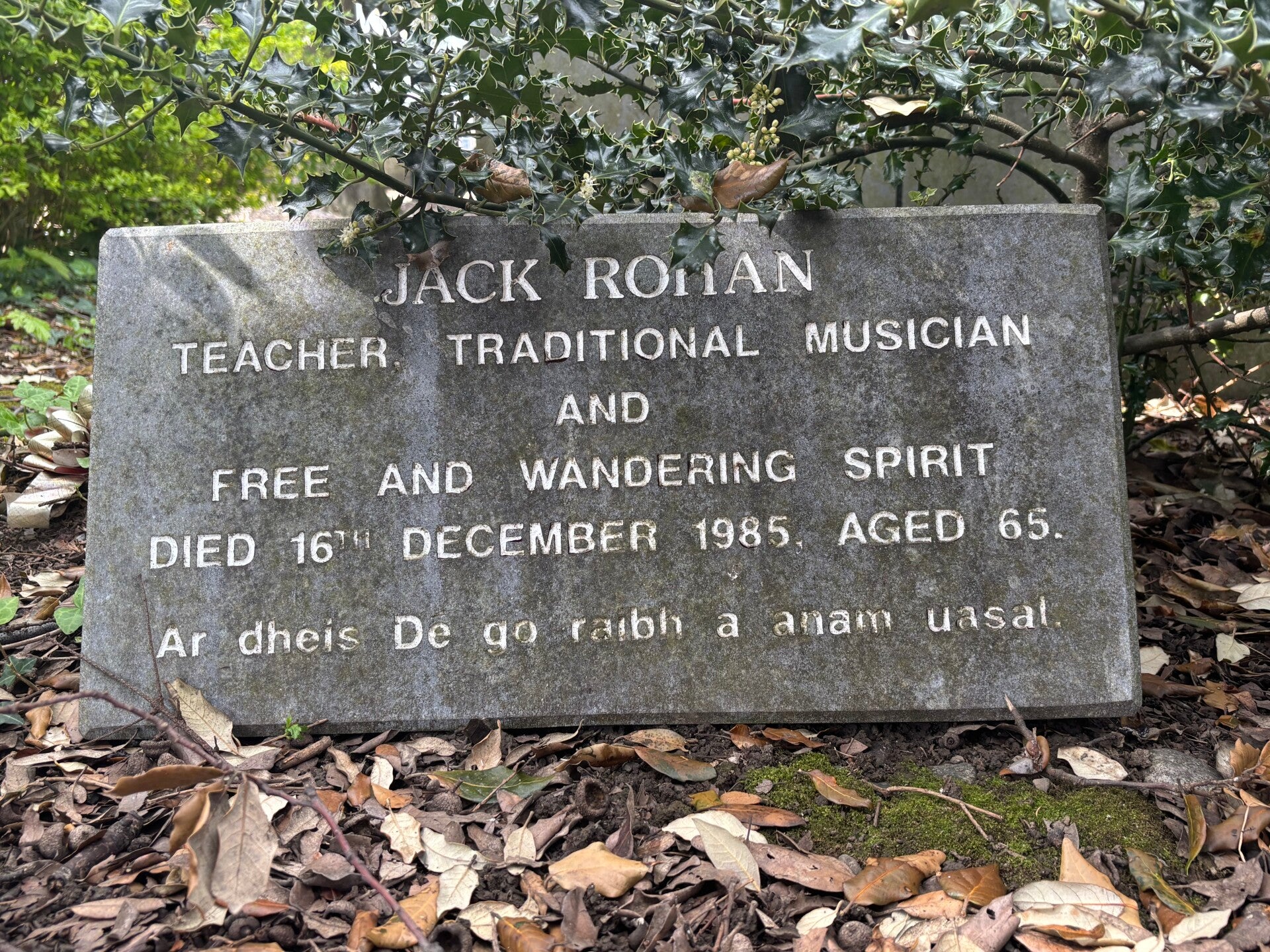
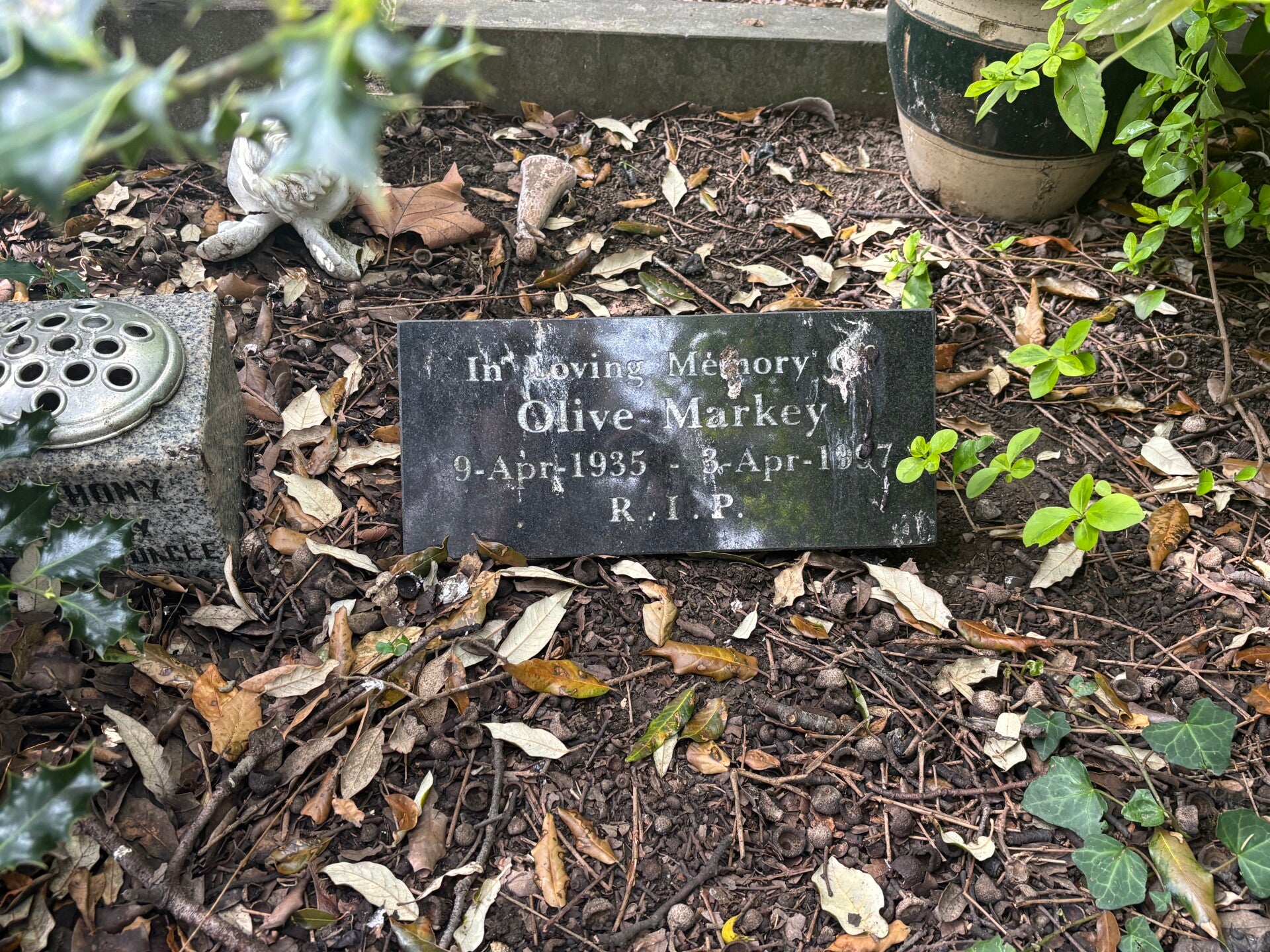
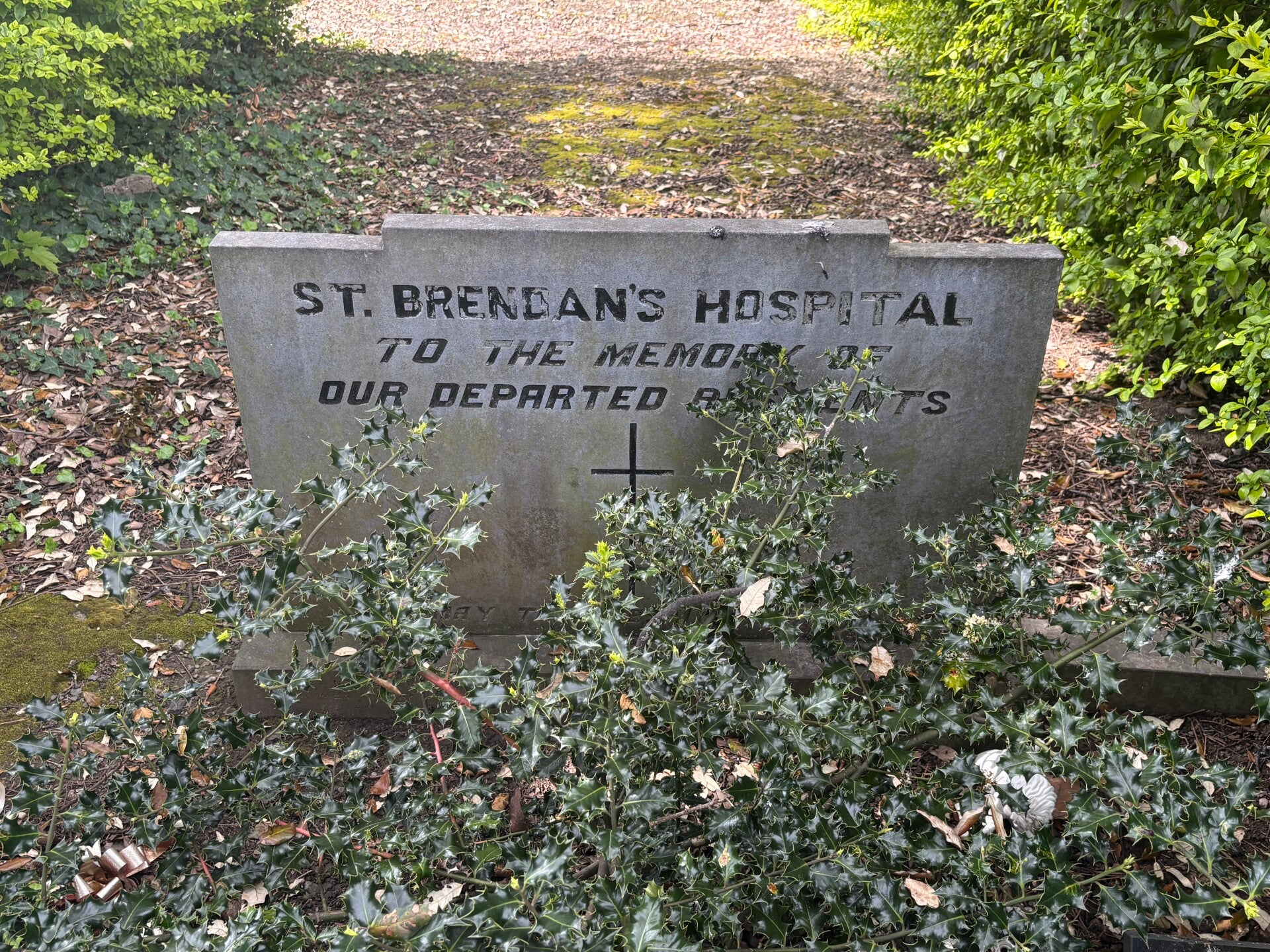
In Glasnevin Cemetary, there is a large plot that holds St Brendans Hospital communal grave. The people in this grave are those whose bodies went unclaimed in death.
There are 22 people in total in this communal grave.
From 1859 to 2000, 3076 people were sent from Grangegorman to Glasnevin Cemetary for burial, many in unmarked, or paupers graves.
I have included a short video of where to find the communal plot.